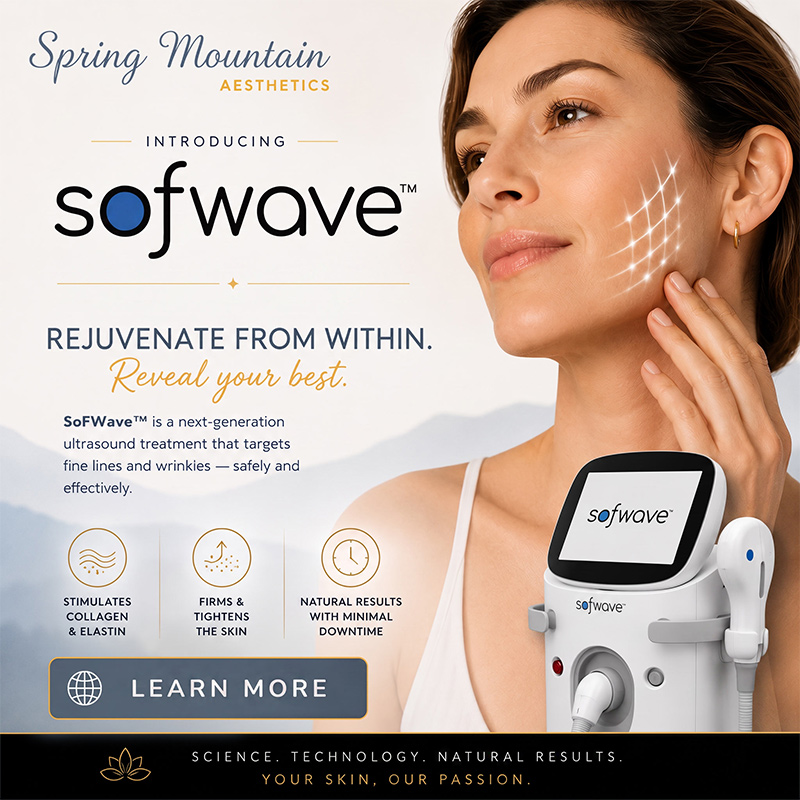
What is the treatment experience from most sofwave patients?
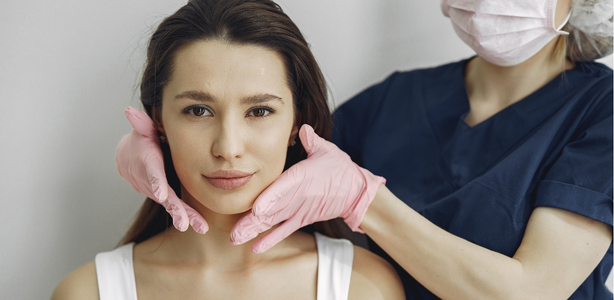
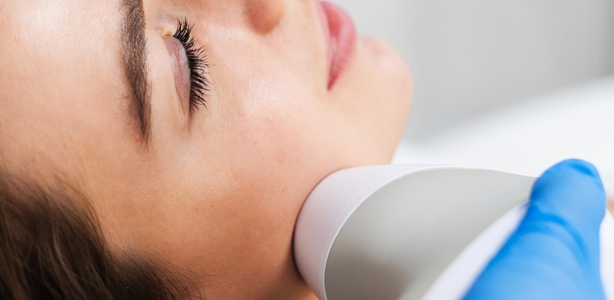
The Sensation: As the provider glides the handheld device over your skin, you will feel brief pulses of intense heat or tingling. The device features an integrated cooling system to protect the surface of your skin and manage discomfort. No Recovery Period: Unlike aggressive lasers or surgical options, your skin surface…
What is the results timeline for a sofwave in-office treatment?
While the treatment itself is fast, the cosmetic changes develop gradually. Early Changes: You might notice initial tightness or subtle improvements within 1 to 2 weeks. Full Results: Because Sofwave works by stimulating your body’s natural production of collagen and elastin, the most dramatic lifting and smoothing of fine lines will…
Is sofwave a quick in-office treatment?
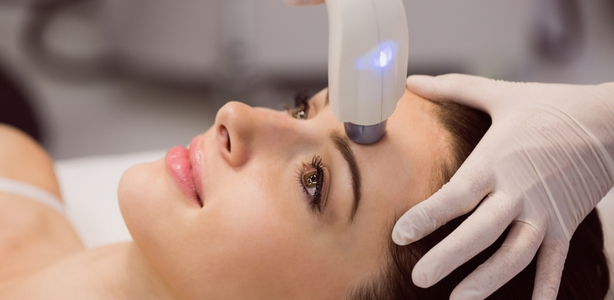
Yes, Sofwave is a quick, non-invasive, in-office treatment that typically takes between 30 to 45 minutes to complete, depending on the size of the area being treated. Because it requires absolutely no downtime, it is frequently marketed as a convenient “lunchtime” procedure that allows patients to return to their normal daily…
How long does the sofwave treatment last?

The aesthetic results of a Sofwave treatment typically last 12 to 18 months, though this depends heavily on your age, lifestyle, and individual skin health. The Results Timeline Because Sofwave works by triggering your body’s natural healing response to generate new collagen and elastin, the effects are gradual rather than instant:…
Is sofwave a laser treatment?
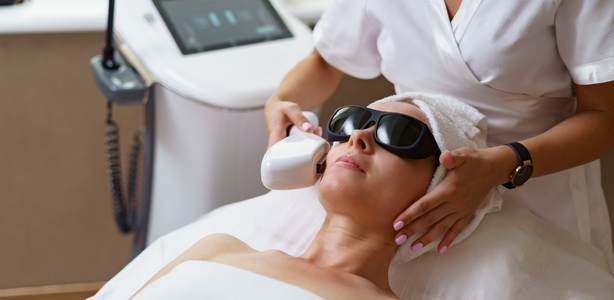
No, Sofwave is not a laser. It is a non-invasive cosmetic treatment that uses Synchronous Ultrasound Parallel Beam (SUPERB) technology to tighten the skin, reduce fine lines, and smooth wrinkles. While both treatments stimulate collagen production, they differ in a few key ways: Energy Type: Lasers use focused light energy that…